

If your sewing machine isn't performing like it used to, it's time to consider a professional tune-up. The 5 Signs Your Sewing Machine Needs a Tune-Up are skipped stitches, recurring thread breaks, uneven tension, unusual noises, and poor fabric feeding. Persistent problems deserve inspection, not repeated adjustments.
At IMAGINE SEWING & VACUUM, our certified technicians provide sewing machine repair and personalized guidance across Utah. Tell us what changed, and ask about scheduling an assessment.
5 Signs Your Sewing Machine Needs Professional Attention
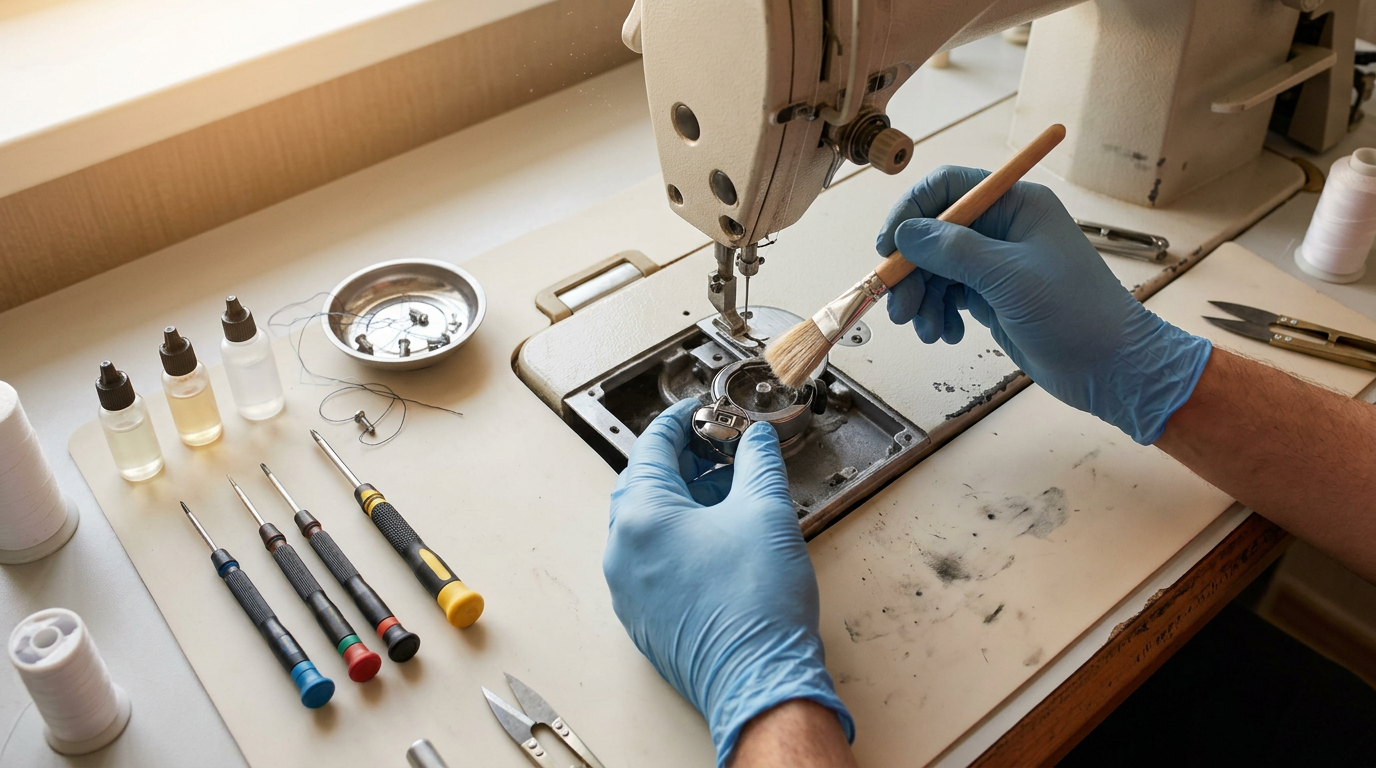
Cleaning out packed lint from the bobbin race prevents thread jamming and protects internal gears from extra strain.
A recurring stitch problem is a stronger service signal than a single bad seam. A worn needle or incorrect threading can cause symptoms that resemble mechanical trouble. Start with the checks allowed in your machine's manual. If the problem returns with suitable fabric, thread, and a fresh needle, stop adjusting and arrange an inspection.
1. Skipped stitches keep returning
Skipped stitches are gaps where the needle fails to form a complete stitch. They can come from a bent needle, incorrect needle installation, or a needle unsuited to the fabric. When gaps continue after those issues are checked, professional inspection can help identify problems with needle alignment or stitch-forming components.
Notice where the gaps happen. Skips on stretchy fabric alone suggest a different starting point than skips across every fabric. A technician needs that distinction before assessing timing, the coordination between the needle and the hook that catches the thread.
Keep a failed seam rather than pulling it apart. Bring the fabric, needle packaging, and thread details so we can discuss the conditions behind the problem.
2. Thread breaks or shreds repeatedly
Recurring thread breakage is a reason to inspect both the thread path and the machine's setup. Incorrect threading, unsuitable needles, or damaged thread can cause breaks. Fraying that persists with appropriate supplies can point to a rough contact surface or another mechanical issue. Repeatedly replacing thread won't address a damaged component.
The break location matters. Thread shredding near the needle gives different clues from thread catching near the spool. Note whether the problem starts immediately, appears during dense stitching, or follows a needle strike.
Rethread according to the manual, with the presser foot positioned as instructed. Leave internal tension adjustments and polishing damaged parts to a technician.
3. Tension stays uneven after correct threading
Uneven tension means the upper and bobbin threads are not forming a balanced stitch within the fabric. Loops underneath, visible bobbin thread on top, and puckered seams are common symptoms. If correct threading and suitable supplies don't resolve them, professional assessment can help distinguish setup problems from tension-system wear or contamination.
Don't assume loops underneath mean the bobbin needs adjustment. An incorrectly threaded upper thread can also cause that symptom. Turning several controls at once makes the original cause harder to trace.
Photograph both sides of the seam before changing settings. Record the stitch type and current tension setting, then bring that information with your sample.
4. New grinding, knocking, or squealing sounds appear
New mechanical noise is a warning to stop sewing and check for an obvious obstruction safely. A needle strike, trapped thread, or damaged moving component can produce unfamiliar sounds. Grinding, a locked handwheel, smoke, or a burning smell calls for repair assessment rather than another test seam. Unplug the machine before inspecting accessible areas.
Never force the handwheel. Check only the areas your manual identifies for owner access. Don't add oil unless the manual specifies the product and method.
A short recording of a sound you already captured can help explain an intermittent problem. Don't restart a smoking, jammed, or grinding machine just to record it. Our guide to a jammed sewing machine explains related warning signs and safe stopping points.
5. Fabric feeds unevenly or the machine loses its usual pace
Uneven feeding means the fabric stops advancing consistently beneath the presser foot. The feed dogs, the small teeth under the fabric, move it through each stitch. Incorrect settings, lint buildup, unsuitable fabric combinations, or worn components can disrupt that movement. Persistent hesitation or reduced speed deserves inspection, especially when the machine previously handled the same project.
Don't pull fabric through to compensate. Pulling can bend the needle and contribute to a needle strike. Confirm that the feed dogs are raised and that the selected stitch should move fabric forward.
Describe the change relative to normal use. A machine hesitating on ordinary cotton presents a different concern from one slowing on a thick seam. Ask us to assess recurring feeding problems before your next project.
Choose a Setup Check, Tune-Up, or Repair
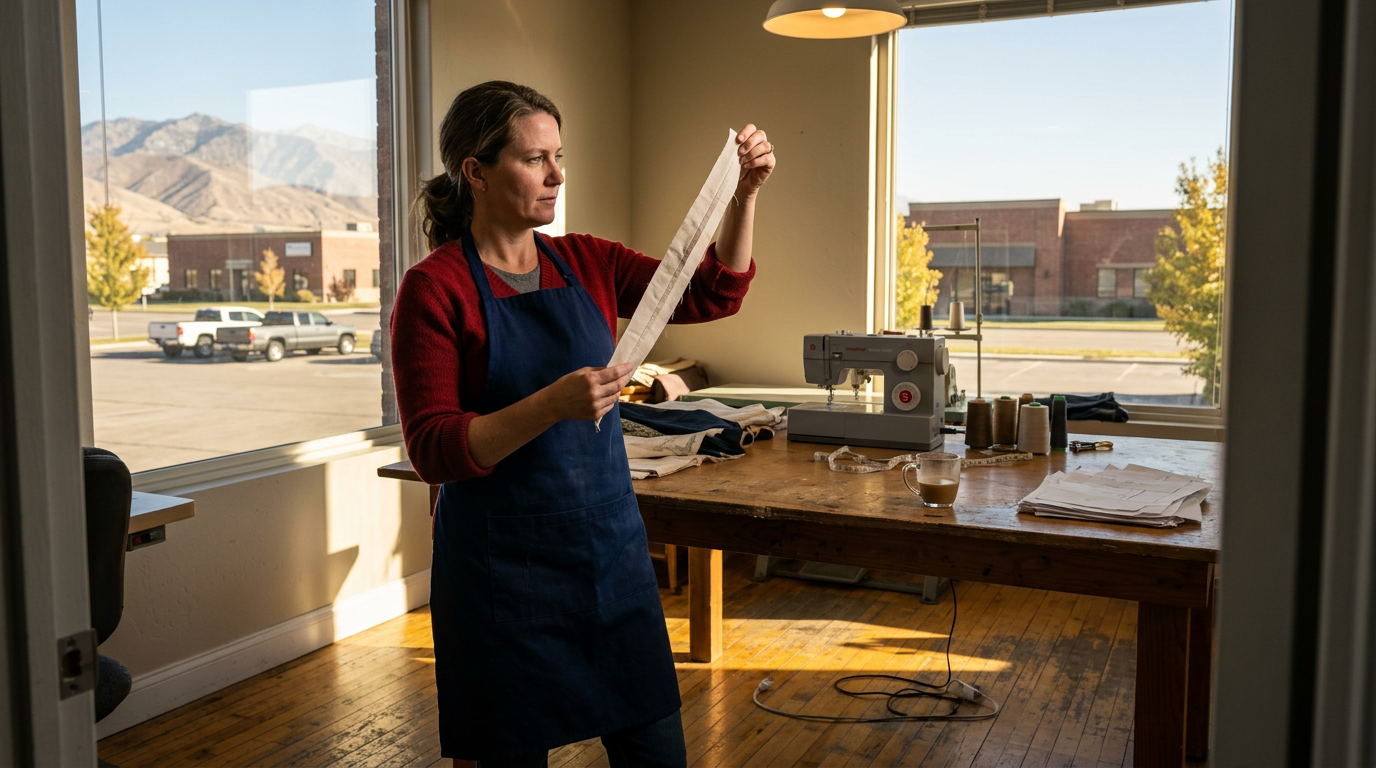
Running a comprehensive stitch test across different fabrics verifies proper tension balance following routine maintenance.
A tune-up isn't the right label for every malfunction. Routine maintenance addresses service needs, while a repair addresses a specific fault or damaged part. The practical decision is whether your symptoms disappear after an approved setup check, persist during normal sewing, or make continued use unsafe.
| Option | When it fits | What to request or check | Cost and timing questions |
| Manual-guided setup check | A problem starts after changing the needle, bobbin, thread, or fabric. | Confirm threading, needle installation, correct bobbin type, and stitch settings. | Check existing supplies before buying replacements or authorizing service. |
| Professional tune-up assessment | Stitching or feeding problems return despite correct setup. | Ask which inspection, cleaning, lubrication, adjustment, and testing steps your model requires. | Request the service price, included work, and current completion estimate. |
| Targeted repair assessment | The machine grinds, locks up, has a damaged component, or develops an electrical symptom. | Stop use and request diagnosis of the specific fault. | Ask about assessment fees, replacement parts, approval requirements, and parts lead times. |
| Replacement consultation | A repair estimate raises concerns about parts access or suitability for your projects. | Compare the repair plan with a machine suited to your actual sewing needs. | Compare the full purchase cost with the repair estimate before deciding. |
Customers have described weighing an older machine's repair cost against a replacement and trade-in opportunity. That experience supports a sensible approach: review the diagnosis first. A past promotion does not establish current trade-in terms.
Ask about our 50% Off Repairs! coupon and confirm eligibility, covered work, and redemption requirements before authorizing service. Don't assume every part or service qualifies.
If replacement becomes the practical choice, our guide to choosing a sewing machine can help organize the comparison. Start with the projects you sew, not the longest feature list.
Frequently Asked Questions About Sewing Machine Tune-Ups
What does a professional sewing machine tune-up include?
A professional tune-up typically involves cleaning accumulated lint and debris, lubricating moving parts, inspecting for wear or damage, adjusting tension, and testing stitch quality. It helps maintain the machine's performance and extend its lifespan.
How often should I get my sewing machine tuned up?
The frequency depends on how often you use your machine. For light users, every 2-3 years might be sufficient. For frequent or heavy users, an annual tune-up is recommended to prevent issues and ensure smooth operation.
"A tune-up caught a worn gear before it failed entirely, saving me from a much more expensive repair down the line." - Satisfied Customer